Carpenters add warmth and style to your homes. They are mainly used to add aesthetic appeal to a place, so to look visually appealing, they have to be maintained properly. But carpets in high-traffic areas like hallways, living rooms, and entrances get dirty very fast. High-traffic floor covering collects dust, germs, and stains that can make your home look dull and unhygienic.
That’s why sanitizing your high-traffic carpets is important. Usually, when you purchase carpet from any of the best carpet shop in Dubai, they also provide you with care tips and simple guidelines to keep your carpets fresh, clean, and safe for your family.
Simple and Effective Ways to Sanitize High-Traffic Carpets
Flooring experts suggest that regular care and gentle cleaning are the most suitable ways to keep carpets safe and durable for a long time. If you neglect it or do not maintain it, then restoring your carpet to its previous condition can be impossible. Below are a few simple, practical tips you can follow at home to clean and sanitize your high-traffic carpets safely.
1. Vacuum Carpets Regularly
Vacuuming is one of the easiest and most important ways to keep your high-traffic carpets clean and germ-free. Regular vacuuming sanitizes carpets by removing dust and bacteria that can cause odors and health issues. The large amount of surface soil and dust usually dries on busy carpets.
Move the vacuum slowly so it can pull out dirt from deep inside. Clean the busy areas two or more times, like in front of the sofa and the main hallway. Pay special attention to corners and edges where dust tends to accumulate. Doing this regularly, or two to three times a week, can stop dirt and germs from building up. This helps your heavy-duty carpets stay clean and safe for longer.
2. Clean Spills Right Away
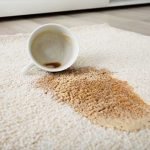
If spills remain on your carpets for too long, they will turn into stains and produce germs. Once they get permanent, even professional cleaning experts will fail to remove them. So, whenever something spills, clean it immediately before it dries.
Don’t rub the stain, just blot it gently with a paper towel or a damp cloth. If you rub, the stain can spread and get deeper into the carpet. After blotting, use a little warm water mixed with vinegar or a mild cleaner. Wipe again until the stain starts to fade. This quick cleaning of spills saves your heavy-duty carpets from developing odour and bacteria.
3. Use Natural Cleaning Mixes
Using chemical sprays is an easy and effective way to sanitize your heavy-duty carpets. But they often contain harsh chemicals that can fade carpet color and damage its fibers. On the other hand, natural cleaners are free of harsh chemicals and toxins, and they also work well.
Mix equal proportions of white vinegar and water in a spray bottle. Spray it lightly on your carpets, let it sit for a few minutes, then wipe or blot it dry. For tough spots, sprinkle baking soda, wait for 10 to 15 minutes, and then vacuum. These simple, natural cleaning techniques are eco-friendly and less expensive. They are also gentle on the carpet’s fiber, helping to preserve its integrity. These methods also add years to your high-traffic carpet’s life.
4. Try Steam Cleaning
Deep cleaning your heavy-duty carpets every few months is very important. Steam cleaning or hot water cleaning is an effective way to thoroughly clean your busy carpets. It helps to kill bacteria and break down dirt, grime, and allergens. You can rent a steam cleaner or hire a professional service if you like.
In this method, hot water is applied at high pressure, which loosens grime that vacuuming can’t reach. Just make sure not to use too much water. Let the carpet dry completely afterward so it doesn’t smell or grow mold.
5. Rinse and Remove Cleaning Residue
After using any cleaning mix, it is very important to rinse and remove cleaning residue to sanitize carpets completely. This helps to remove leftover soap and other chemicals on the carpet fiber. If cleaning residue stays in the carpet, it can attract more dirt and germs later.
You can remove it with a clean, damp cloth or a wet vacuum. After that, rinse with plain water and keep blotting until the surface feels clean. This method helps to keep your busy carpets fresh and prevents sticky spots from forming.
6. Let the Carpet Dry Properly
A wet carpet can lead to the growth of mold, mildew, and bacteria that develop in moisture. Mold is highly toxic to humans and pets. So whenever you wash your high-traffic carpets, let them dry completely before walking on them or putting furniture back.
Allow as much airflow as possible in the wet area. This helps to clear the odor and moisture from the room. Open windows and turn on fans to let air move. High-powered fans are best for this purpose. You can also use a dehumidifier to speed up drying. Touch the carpet to check if it’s fully dry. A clean, dry carpet smells nice and stays healthy longer.
7. Use Mats and Keep Shoes Outside
Most of the dust, dirt, and germs enter through our shoes. To prevent this, place doormats at all entrances to absorb dust and mud. Make it a habit to remove shoes before entering carpeted areas. You can also place small rugs or runners in high-traffic areas like hallways. This simple method can protect your main carpet and reduce the amount of cleaning you need to do.
8. Move Furniture Around Sometimes
Dust, bacteria, and allergens often hide under furniture. So it is important to move furniture around for a deep cleaning of these hidden spots. This also helps to maintain the durability of heavy-duty carpets. If people always walk on the same part, that area wears out faster.
Try moving furniture or rugs once in a while to change how people walk through the room. This helps your busy carpets to stay in good shape for a long time. It also makes your space look fresh and new.
9. Get Professional Cleaning Once in a While
Even if you maintain your carpets properly, they still need a deep clean once or twice a year. Professional carpet cleaning is important to kill bacteria, eliminate allergens, and remove stains. Professional cleaners use strong machines and safe cleaning products. This prevents your high-traffic carpets from fading and getting damaged.
Professional deep cleaning helps to improve indoor air quality. By removing excess moisture, professional sanitization prevents the growth of mold and mildew. It can easily remove tough stains, germs, and smells that home methods can’t. It’s a good way to keep your heavy-duty carpets healthy and to extend their life.
Final Words
High-traffic carpets collect dirt, grime, allergens, and bacteria every day. These contaminants enter homes and reach your carpets through shoes, feet, and pets. So, sanitizing and maintaining high-traffic carpets is very important to keep them safe and durable. This requires diligence and a proactive approach. By implementing the strategies mentioned above, you can create a safer, cleaner, and more welcoming home environment. Following regular, effective cleaning routines and promptly addressing spills and stains are key to preserving the beauty and durability of your carpets.