If you read about floor trends, you will learn that laminate flooring has taken the interior design market by storm. There is a good reason for it – it lets you get that natural hardwood look without spending much money. The aesthetic value is undeniable, but it is also an excellent option for its high durability, ease of cleaning, and maintenance.
The only demerit, like most flooring, is that it too gets scratched. So, if you also want the answer to the question of how to fix scratches on laminate flooring, this is a complete guide. For minor scuff marks, deep scratches, or even heavy damage to your Laminate Flooring in Dubai, we have listed the best ways to fix them.
Know The Different Types of Floor Scratches
The treatment of the scratches is done right after identifying their type on the laminate floor. This means you need to assess the severity of the damage to your Flooring in Dubai. 3 degrees of scratches include:
The first one is minor Surface Scratches. These are light scuff marks that do not damage the protective layer on top – a common occurrence for high-traffic areas. The second type is moderate scratches. These occur much deeper within the surface but still do not reach the core of your laminate planks. The last one is Deep Scratches or Gouges. This damage is extreme, tearing the wear layer and reaching all the way to the core. This needs some extensive repairing. Every scratch requires its own repair method, and this is how to fix them step by step.
How to Fix Minor Scratches on Laminate Flooring
In case your laminate floors suffer from minor scratches or scuff marks, choose from any of the methods below to address them.
1. Use a Laminate Floor Cleaner and Polish
Start by cleaning the damaged part with a laminate floor cleaner, then apply the polish. Buff the polish gently with a microfiber cloth to remove the scratch mark.
2. Try a Pencil Eraser or Baking Soda Paste
This is more of a hack to fix those light scratches on your laminate floors—use a white rubber eraser to buff them. There is also the option of using a mixture of baking soda and water. Make this mixture, apply it to the scratches, and rub it off after some time with a soft cloth.
How to Repair Moderate Scratches on Laminate Flooring
These are two efficient repair methods for moderate scratch damage.
1. Use a Floor Repair Kit
Numerous flooring stores sell floor repair kits, particularly for the laminate options. These kits have colored floor putty or wax sticks that exactly match your flooring shade. Choose the color that closely complements your floor. Fill the putty into the scratch with a putty knife. Smooth the area by removing the excess from the edges.
2. Apply a Wax Pencil or Touch-Up Marker
For medium-level scratches, touch-up markers or wax pencils are the perfect choice. You must choose a color that matches the floor and fill in that scratch. Wipe off the excess with a clean cloth, then let the marker ink dry.
Fixing Deep Scratches on Laminate Flooring
Sometimes, the flooring becomes so damaged that it reaches the laminate core. This requires some advanced-level floor fixing. For this, we have two of the following methods.
1. Use a Wood Filler
Buy a premium wood filler from a flooring store – make sure that it matches the color of your laminate. Apply this filler with a putty knife to fill the scratch. Even out the surface and let it dry completely. Sand it down with fine-grit sandpaper.
2. Replace the Damaged Plank
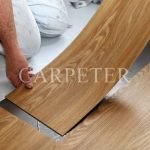
If the damage has exceeded the repairable part, replacing it is the only option left. In this case, remove the affected planks or tiles altogether. For the floating floor installation and the click-lock system, remove the damaged plank with care and replace it with a new one. For glue-down laminate flooring, you need a professional service provider to carefully remove the tiles or planks so as not to damage the rest. They will replace the tile or plank with a new one for a tight fit.
Causes of Scratches on Laminate Flooring
Laminate flooring can get scratched for various reasons. Understanding these causes will help you take better preventive measures to enhance its lifespan. Let’s have a look at these causes:
-
Dragging Furniture
Dragging furniture without protective pads can damage laminate flooring and leave deep scratches.
-
Pets’nails
If you have pets such as cats and dogs, they can disrupt the laminate surface. Their untrimmed nails can unintentionally scratch the flooring when they move around.
-
Dirt and Debris
Grime and small particles accumulate on the surface of laminate flooring and are prone to abrading.
-
High Foot Traffic
More use of laminate flooring, especially in high-traffic areas, wears down its protective layer.
-
Sharp Objects
A laminate floor can also get scratches due to dropped nails, shoes with heels, or anything with a pointed edge.
Preventing Scratches on Laminate Flooring
Scratches are bound to happen on your laminate floors, but there are still ways to prevent them. These are some prevention tips for that.
- Attach high-quality felt pads to the bottoms of your tables, chairs, and sofas. This way, if you move them, they won’t scratch the floors.
- Pets often scratch the floor, so trim their nails periodically to reduce this damage.
- For the high-traffic areas of the living space, such as entrances or hallways, place a rug to reduce wear & tear.
- Take extreme caution when choosing cleaning supplies – never use steel wool or an abrasive scrubber on these floors.
- If moving heavy furniture, even with felt pads, always lift and move it rather than drag it across the floor.
Final Thoughts
If you plan to lay laminate flooring in your home, office, or commercial space, keep in mind that scratches will occur. Our complete guide on how to fix scratches on laminate flooring offers the right approach for every type of scratch. A right yet simple approach will restore the beauty of your floors. From minor scuff marks to deep scratches to complete damage, we have listed the best possible options to fix them. After fixing the floor scratches, use our prevention tips to reduce their recurrence.